Let’s be real. When your digestion’s off, it messes with everything—your energy, your mood, your sleep, even your confidence. But most of the time, when you ask your doctor what’s going on, you get vague advice like “drink more water” or “add some fiber.” Cool. But what kind of fiber? How much water? What about the three days of bloat you got from eating a perfectly innocent salad?
This blog is your no-fluff, straight-up guide to the gut health questions no one seems to answer clearly. Let’s fix that.
What does healthy poop actually look like?
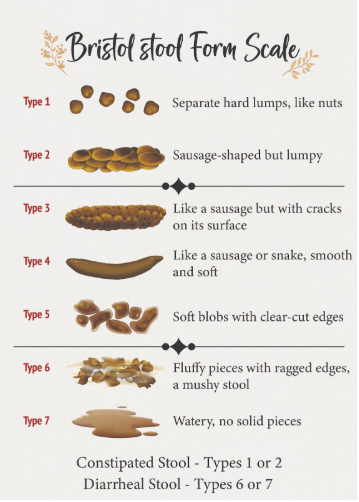
Let’s just get this one out of the way. A healthy poop should be smooth, brown, sausage-shaped, and pass easily – no pushing, no straining, no drama.
If it’s rabbit pellets, liquid chaos, or constantly changing? Your body’s flagging you down.
Why do I get bloated after “healthy” foods?
You’re not imagining it. Foods like broccoli, beans, onions, and cauliflower are high in fermentable fibers (also called FODMAPs). They’re technically good for you, but they can trigger bloating in people with sensitive guts.
That doesn’t mean you need to cut them forever. But it does mean you might need to support your digestion first. (If you haven’t tried the pineapple core shot, it’s a game-changer.)
Can chewing really affect digestion?
Yes – and more than you think. Chewing thoroughly gives your gut a head start by releasing enzymes and breaking food down early. It also slows your eating, which helps your brain register fullness.
Bonus: stronger chewing can help with jaw development, reduce snoring, and – yep – improve your poops.
Is ultra-processed food really that bad for my gut?
Short answer: yes. Ultra-processed foods are soft, easy to inhale, and low in fiber. A recent study showed that people ate 369 more calories a day just by eating the softer versions of meals. The kicker? They didn’t feel any fuller.
Processed textures confuse your body’s fullness signals and wreak havoc on blood sugar, gut bacteria, and digestion.
Swap soft, melt-in-your-mouth snacks for real, chew-required foods: apples, raw carrots, grilled chicken, even crunchy sourdough. Your gut – and your waistline – will thank you.
Okay, so what are some easy habits that actually help?
Here’s your starter kit:
- Drink water first thing in the morning (before coffee)
- Walk after meals when you can
- Aim for 25–35g of fiber a day from real food
- Try fermented options like kefir, kimchi, or plain yogurt
- Cut back on processed snacks and sugars
- Use a footstool in the bathroom (seriously – it works)
- Breathe while you poop (don’t push like it’s labor)
When should I worry about my digestion?
If you’ve got persistent symptoms – bloating, pain, constipation, loose stools – for more than a couple of weeks, it’s time to dig deeper. That might mean food sensitivity testing, gut bacteria analysis, or working with a practitioner who actually listens (hi, I’m Derek).
Wrap-Up: Your Gut Is Smarter Than You Think
You don’t need to memorize anatomy or follow a restrictive diet to feel better. You just need to understand the signals your gut is sending—and know how to respond.
💥 Want to make better food choices without the overwhelm?
Check out our 3-step mini course made for busy parents like you.
and start feeling like yourself again.
Ready to Start Building?
The Strength level is a great place to begin – and one of the most accessible strength moves you can do anywhere, anytime, is the pushup.
The 30-Day Pushup Challenge is a simple, no-equipment program designed to help you build real upper body strength, one day at a time. It’s not about perfection. It’s about showing up and doing the work – which, if you’ve made it this far, you already know how to do.
➤ Take the 30-Day Pushup Challenge
To your health!


Derek Opperman
Chief Wellness Officer at LifeUP
“I help parents reclaim their energy — not just physically, but emotionally too. Because when you feel better, everything in your life lights up: your parenting, your patience, your purpose. My approach is about small changes that ripple out into big transformation.”